
Choose Sarnia Insulation Services For Your Renovation Insulation Project
Why Should You Insulate Your New Addition or Renovation?
A new addition or renovation is the perfect time to upgrade your insulation. Since walls, ceilings, and other building areas are already exposed during construction, insulation can be installed more easily and efficiently than after the project is complete. Proper insulation helps keep the new space comfortable year-round by reducing heat loss in the winter and limiting heat transfer in the summer. It can also improve energy efficiency, reduce drafts, and help lower future heating and cooling costs. Whether you're finishing a basement, adding a room, or completing a major renovation, quality insulation helps protect your investment and ensures the new space performs as well as it looks.
Is Insulation a New Renovation Worth The Cost?
Insulation is one of the most practical home improvements they can make. Unlike renovations that are mainly cosmetic, insulation can improve comfort, energy efficiency, and the overall performance of your home. Proper insulation helps reduce heat loss, minimize drafts, and maintain more consistent indoor temperatures throughout the year. It may also help lower heating and cooling costs over time. Whether you're insulating a basement, attic, or newly renovated space, the benefits can be felt every day. Many homeowners find that the improved comfort and potential energy savings make insulation a worthwhile investment that continues to provide value for years to come.
What Is The Best Insulation For a Renovation?
The best insulation for a renovation depends on the area being upgraded, your budget, and your long-term goals for comfort and energy efficiency. Spray foam insulation is a popular choice because it provides excellent insulation while also helping seal air leaks. Batt insulation is often used in walls and ceilings because it is cost-effective and easy to install during renovations. For basements, rigid foam board and spray foam are common options due to their moisture resistance. Every renovation is different, so it's important to choose an insulation solution that fits the space. Sarnia Insulation Services can help determine the best option for your project.
Can Replacing Old Insulation Help Lower Energy Bills?
In many cases, yes. As insulation ages, it can become compressed, damaged, or affected by moisture, making it less effective than it once was. When that happens, your home may lose more heat during the winter and gain more heat during the summer, causing your heating and cooling system to work harder. Replacing old insulation can help make your home feel more comfortable and reduce drafts that often go unnoticed. While every home is different, many homeowners find that upgrading their insulation improves energy efficiency and helps keep utility costs under better control over the long run.
What Is The Typical Cost To Insulate a Renovation in Sarnia?
The cost to insulate a renovation in Sarnia can vary depending on the size of the project, the area being insulated, and the type of insulation you choose. Most insulation projects range from approximately $1.50 to $8.00 per square foot, with spray foam insulation generally costing more than traditional batt or blown-in options. Other factors, such as accessibility, wall and ceiling construction, and whether existing insulation needs to be removed, can also affect the final price. The best way to determine the cost of your renovation is to schedule an assessment so the right insulation solution can be recommended for your space and budget.
When Is the Best Time To Get An Assessment Done For Insulation?
Call Sarnia Insulation Services before starting a renovation or as soon as you notice signs of poor insulation, such as drafts, uneven temperatures, high energy bills, or cold floors and walls. If you're planning a renovation, having the space assessed early can help ensure the right insulation is selected before walls or ceilings are closed up. An assessment can also identify areas where heat loss, moisture issues, or air leaks may be affecting your home's comfort and efficiency. The earlier insulation concerns are addressed, the easier it is to incorporate the right solution into your project.
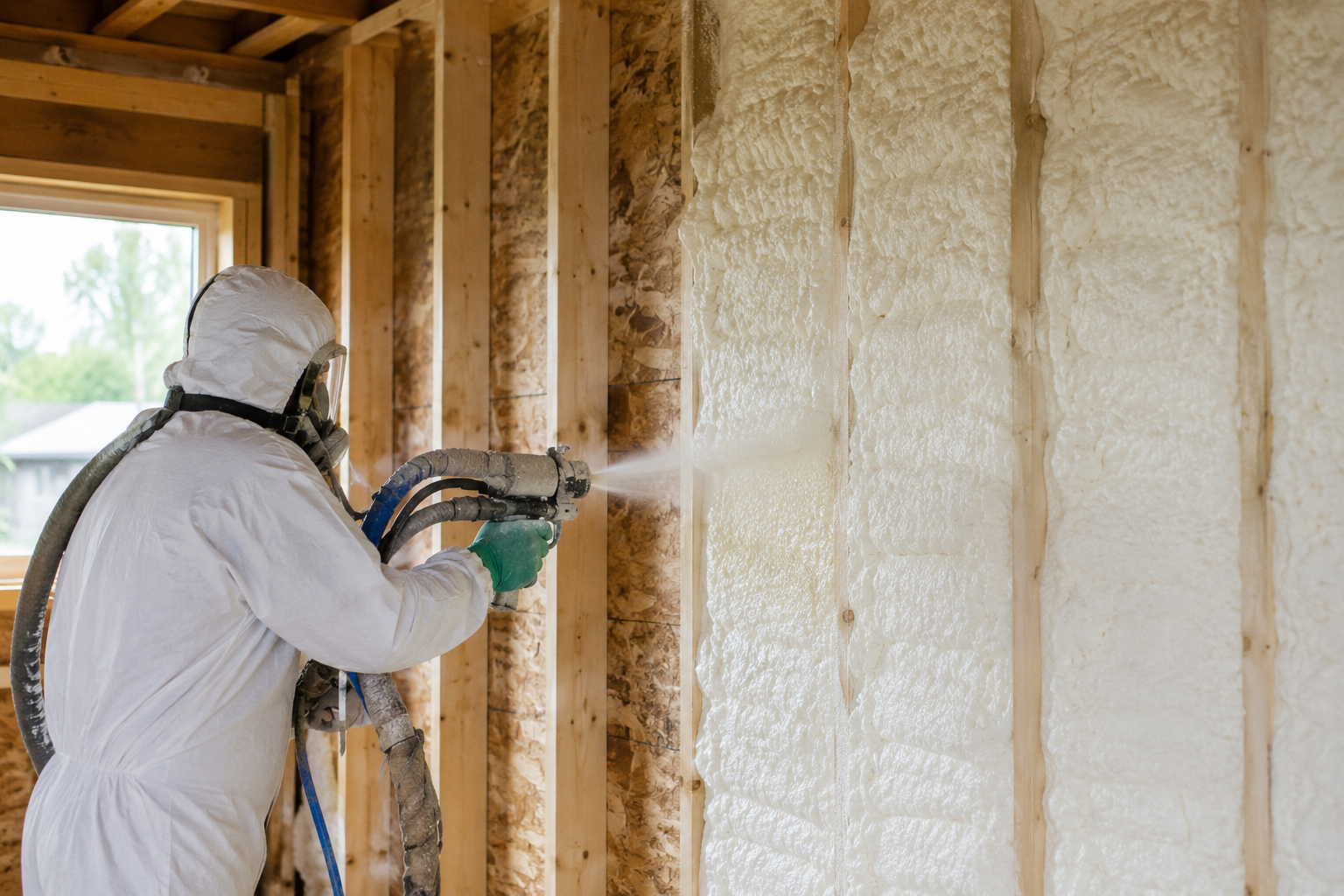
Why Wall Insulation Matters
Wall insulation plays a major role in keeping your home comfortable and energy-efficient throughout the year. Exterior walls make up a large portion of your home's building envelope, and without proper insulation, they can allow significant heat loss during the winter and unwanted heat gain during the summer.
Improved Indoor Comfort
Well-insulated walls help maintain more consistent temperatures throughout your home. This can reduce drafts, cold spots, and temperature differences between rooms.
Better Energy Efficiency
By slowing the transfer of heat through exterior walls, insulation helps your heating and cooling system work more efficiently. This can reduce energy waste and improve overall home performance.
Lower Heating and Cooling Costs
When less heat escapes through your walls, your HVAC system doesn't need to run as often. Over time, this can help reduce monthly energy bills.
Noise Reduction
Wall insulation can also help limit sound transfer from outside traffic, neighbours, and other sources, creating a quieter indoor environment.
Moisture and Air Control
Certain insulation systems can help reduce air movement within wall cavities, which may improve comfort and help manage moisture-related concerns.
Increased Home Value
Energy-efficient homes continue to be attractive to buyers. Upgrading wall insulation can improve comfort, efficiency, and the long-term value of your property.